

Living sustainably can seem challenging, especially for young people in our modern world. We often feel powerless as small members of our community and household, with little to no say in decisions regarding diet changes or electricity usage. However, there are several ways we can change our own actions.
Sustainability is the ability to support long-term ecological growth. Sustainable living adapts our behaviour and habits to accommodate the rapidly changing climate. To live sustainably, you must make environmentally conscious decisions that positively impact your carbon footprint.
We believe sustainability is about using resources responsibly to meet our current needs while ensuring future generations are able to do the same. Sustainability involves finding a balance between protecting the environment, supporting communities, and maintaining stability in our economy. Sustainability is being cost-effective while minimizing waste, leading to less pollution overall.
Our 3 main tips include:
Avoid supporting all and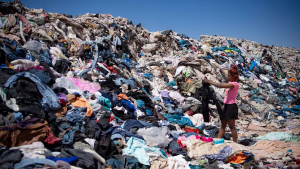 any fast fashion brands.
Fashion is powerful for self-expression, but it’s important to shop sustainability. Fast fashion is the rapid manufacturing process that produces mass amounts of cheap clothes, often through unethical processes. To put that into scale, 92 million tonnes of textile waste is produced every year while the entire apparel industry’s global emissions are said to increase by 50% by 2030. Brands like Shein, Temu, H&M, Zara, and many more are popular fast fashion brands that should be avoided.
Instead, try supporting local businesses in your area, or stores like Everlane, Patagonia, Pact, and Reformation. Patagonia for example, supports grassroots activism, has a program to buy back used apparel to keep it out of landfills, and more. While Reformation is transparent with its sustainable materials and practices, including a climate roadmap on their website of their plan to reduce their emissions.
Yes, we know shopping at sustainable stores is way more expensive than your favourite fast fashion brands, but that is because doing things the right way isn’t cheap. Quality materials, fair wages, and sustainable energy cost more to have, but it is so important! Quality materials also last way longer, whereas cheap materials tend to pill, rip, and be discarded within 7 to 10 wears.
Avoiding fast fashion can reduce non-biodegradable waste from polluting our planet, greenhouse gas emissions from polluting air and water habitats, and directly contribute to the destruction of countless ecosystems. As well as those fast fashion corporations often partake in worker mistreatment, with poor workplace conditions, hard labour, and unfair pay.
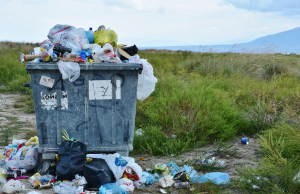
Purchasing second-hand items
Second-hand items are any items that have been pre-owned and pre-loved. By purchasing and using second-hand items, whether through thrifting or keeping hand-me-downs, you are saving them f
rom ending up in landfills, while staying cost effective!
When clothes end up in landfills they can release pollutants and other toxic chemicals, including micro plastics and fibers. Since the majority of clothing, around 69%, are made of plastic polymers like polyester, nylon, acrylic, and elastane, these fibers break apart polluting the environment with microplastics.
This is not limited to clothing but also furniture, tech (phones, laptops, etc), toys, and household decor, and basics like dishware and utensils. Offering an affordable way to shop for gifts, redecorate your room, or if you’re looking to level up your wardrobe.
Just because something has been used does not mean it is dirty or unhygienic. Anything can be cleaned!
Learning to upcycle
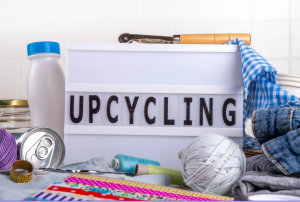
Upcycling is a sustainable practice that involves creating usable products from waste or unwanted items, aiming to reduce waste and extend the lifespan of resources used.
You can upcycle by revamping old clothes or reusing jars and cans for pencil cups. This also includes fixing simple damages of second-hand items you find, or instead of donating your own
. This is a great option because you can get really creative with it! Adding bows or lace to your boring top instead of throwing it out, sun printing or bleaching a cool design into a stained sweater, and making matching patchwork clothes with your best friend are simple ways to not only elevate your style but also reduce pollution and greenhouse emissions from harming our
environment.
Upcycling can also refer to the simple mending of an item. Not making it into something new necessarily but repairing a small rip in your sweater, or even altering your clothes to fit nicer is all you need to extend the life of these products.
Check out this Pinterest Board for some upcycling inspiration https://www.pinterest.com/youthclimatecollective/upcycling-inspo/
Why is this important?
If we fail to take action, we will face grave catastrophes. Effecting all aspects of our lives whether we realize it or not. We must remember that any bit of action helps. Changing your shopping habits is one big step in the right direction.
We need more people LIKE YOU to do whatever you can, because the future is in our hands! Show the planet that you care by trying out some of these tips, and feel free to tag us in any of your upcycled, sustainable creations.
Sustainability is simple; sustainable living is achievable.